
An example search has returned 100 entries
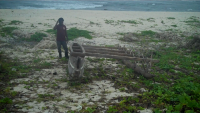
ara tapu
n
bookmark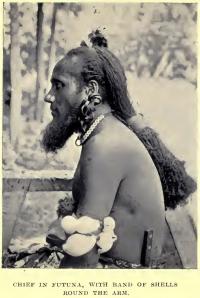
au
n
bookmarkfaka tagi gata
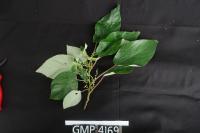
[ɸaka taŋi ŋata] n.
Example: Peel off the outer portion of the stem, clean it, remove the fibers and dry them in the sun, and then weave into rope for fishing and also to make the net for catching flying fish. Weave into rope for fishing, and also weave this fiber to attach to the frame, used to catch flying fish.
bookmarkfakana
n
bookmarkfakapura
n
bookmarkfakatauga
n
bookmark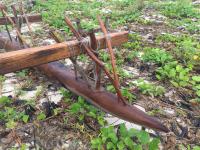
fatukara
n
bookmarkfiria
n
bookmarkfiroa
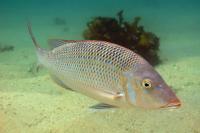
[ɸiroa] n.
Example: Photo by Richard Ling, License: CC BY-SA 3.0 via Fishes of Australia
bookmarkfoia
v
bookmarkfoijinae
v
bookmarkfuaga
n
bookmarkfufuru kumkumi
n
bookmarkfuruseo
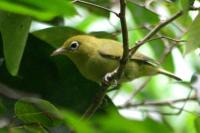
[furuseo]
Example: Photo by Remi Bigonneau, License: CC BY-SA 4.0 via Wikimedia Commons
bookmarkgatara kosi
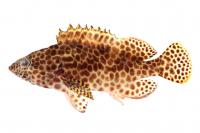
[ŋatara kosi] n.
Example: Photo by Jeffrey T. Williams / Smithsonian Institution, License: CC BY-SA 3.0 via Fishes of Australia
bookmarkgirifau
n
bookmarkhgaro, garo
n
bookmarkiri
n
bookmarkkaji puri vai, kaji pure vai
n
bookmarkkanai
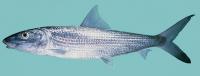
karaunea
n
bookmarkkasi
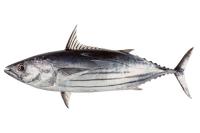
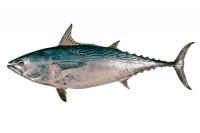
[kasi] n. Skipjack
Example: Photo by ANFC, License: CC BY-SA 3.0 via Fishes of Australia
bookmarkkau
n
bookmarkkauliginea, kouliginea
n
bookmarkkautau
n
bookmarkkofe
n
bookmarkkoka
n.
Example: The stem of this tree is good for making house posts as well as used for firewood. The leaves are also used as plates for holding food. (authorities: Naumeta Rose (male, 32), Paul Fatapa (male, 74))
bookmarkkoupenaua
n
bookmarkkumu
n
bookmarkkurapo
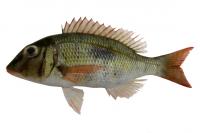
lama
n
bookmarklaso
n
bookmarklavafatu
n
bookmarkliko
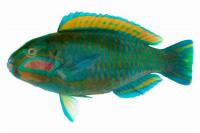
loto
n
bookmarkmaramrama
n
bookmarkmarari sega
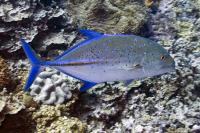
[marariseŋa] n.
Example: Photo by Jan Messersmith, License: CC BY-NC-ND 3.0 via Fishes of Australia
bookmarkmarigariga
n
bookmarkmasaraui
n
bookmarkmatatui
n
bookmarkmate
n
bookmarkmelomelo
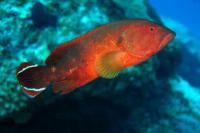
[melomelo] n.
Example: Photo by Digital Archives of Taiwan / via catalog.digitalarchi License: CC BY-NC 3.0 via Fishes of Australia
bookmarkmoiau
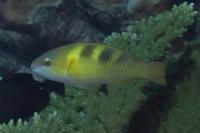
[mwejau] n.
Example: Photo by Mark Rosenstein / iNaturalist.org, License: CC BY-SA 3.0 via Fishes of Australia
bookmarkmoropake
n.
Example: (authorities: Naumeta Rose (male, 32), Paul Fatapa (male, 74), Samuel Seru (male, 31))
bookmark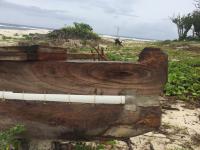
naiki
n.
Example: When a person has a stomach ache, take 5-6 leaves, squeeze them in a cup of water and drink. Said to be good to drink this for general sickness. (authorities: Naumeta Rose (male, 32), Paul Fatapa (male, 74))
bookmarkparagi paroro
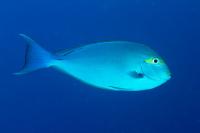
[paraŋi paroro] n.
Example: Photo by Paddy Ryan / www.ryanphotographic.com, License: CC BY-SA 3.0 via Fishes of Australia
bookmarkpaua
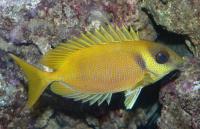
[ba:wa] n.
Example: Photo by BS Thurner Hof / Wikimedia Commons, License: CC BY-SA 3.0 via Fishes of Australia
bookmarkpaumu
pekau, pakau
n
bookmarkpohpoku tarohmara
n
bookmarkpoirima
n
bookmarkpoki
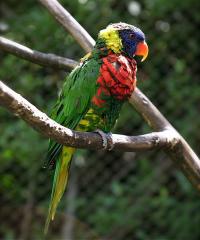
[poki]
Example: Photo by user Cacophony, License: CC BY-SA 3.0 via Wikimedia Commons
bookmark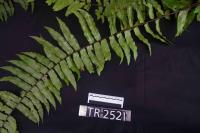
pula gogo
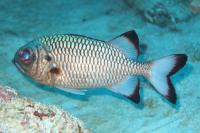
[pulaŋoŋo] n.
Example: Photo by Anne Hoggett / Lizard Island Research Station, License: CC BY-SA 3.0 via Fishes of Australia
bookmark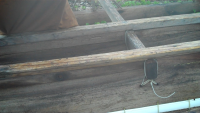
rero
n
bookmark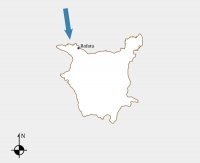
romaji
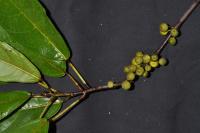
[romaʃi] n.
Example: The young leaves are edible. Boil them for 30 minutes, and eat. The fruits are also edible and are eaten. Boil fruits 1 hour and eat with coconut. Also, you can wrap the leaves of this plant with Cordyline fruitcosa (MJB 4180) leaves and bake in fire, adding meat as well.
bookmarksakavesi
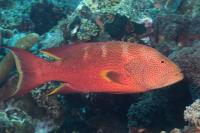
[sekaʋesi] n.
Example: Photo by Mark Rosenstein / iNaturalist.org, License: CC BY-SA 3.0 via Fishes of Australia
bookmarksasua
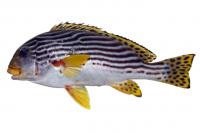
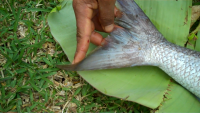
tapaka
n
bookmarktarakisi
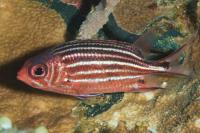
[tarakisi] n.
Example: Photo by Mark Rosenstein / iNaturalist.org, License: CC BY-SA 3.0 via Fishes of Australia
bookmark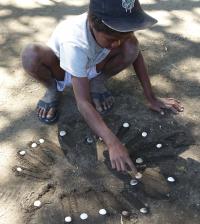
ufeitona
n
bookmarkuorukago
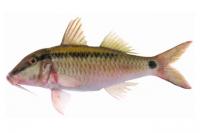
vetei
There are currently 1503 entries, 902 audio files, and 449 images.
All content copyright © Futuna Aniwa community (2016).
Talking Dictionary produced by K. David Harrison and Jeremy Fahringer. Botanical consultants: Michael J. Balick, Gregory M. Plunkett, Tom A. Ranker and Sean Thackurdeen. (2016-2018)
Futuna Aniwa language contributors include Ausdin Jackson, Takaronga Kuautonga, Nigasau Misikofo, Paul Navaika, Nigel Nesua, Iarawoi Rezel Samana, Anselon Seru, Donald Tamalua Wotu, Yaugani Zeiake and others as credited within the dictionary entries.
The Futuna Aniwa-English Talking Dictionary was made possible by award no. 1555675 from National Science Foundation for
"Collaborative Research: Plant, Fungal and Linguistic Diversity of Tafea Province, Vanuatu." This support is gratefully acknowledged.
Any opinions, findings, and conclusions or recommendations expressed in this material are those of the author(s) and do not necessarily reflect the views of the National Science Foundation.
All rights reserved. Do not distribute or reproduce without permission.
how to cite:
K. David Harrison. 2016.
Futuna Aniwa Talking Dictionary.
Swarthmore College.
http://www.talkingdictionary.org/futuna_aniwa
Interface and database design under the direction of Jeremy Fahringer and Swarthmore College ITS.
Supported by