
An example search has returned 100 entries
alwa
v. to bud; to put forth leaves
bookmarkanaforofata
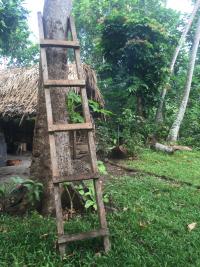
atcatcaiyu
v. to emit sound from a bottle or coconut
bookmarkdapanan ja jai et lok sto em̃ikope stoi lok
ereuc
v. to shake a branch; to make fruit fall. pl: "ereucereuc"
bookmarkgras
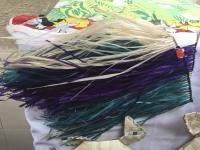
incei franse
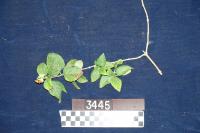
incetevak
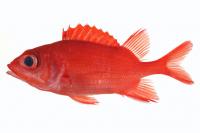
n. Bluelined squirrelfish, Tahitian squirrelfish
Example: Photo by Jeffrey T. Williams / Smithsonian Institution, License: CC BY-SA 3.0 via Fishes of Australia
bookmarkincijiñyat
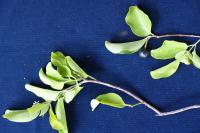
n. tree, 4 m tall (collection: Gregory M. Plunkett #3573)
Example: 1. This plant is used as firewood, but also the heartwood is sold. 2. In 2016, the first grade wood was 2500 VT per kilo, the second grade wood was 2000 VT per kilo. 3. The ancestors used to take the oil or wood chips from this tree and bathe with it to keep away evil spirits of the forest. It is currently planted on Aneityum for commerce. Scrape bark of sandalwood into coconut oil in same wat as GMP 3513 (gardenia) boil and take out the bark. 4. The leaves can be fed to pigs to make them strong and heavy.
bookmarkincipiñti
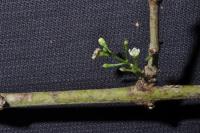
incowos up̃utap̃
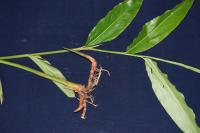
inhau cap̃
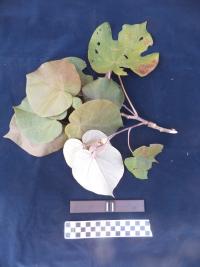
n. low tree. Found along the coast. (collection: Ashley A McGuigan #11)
Example: 1. To speed up delivery and reduce painin labor - Take a piece of stem from a small branch and take the skin and outter bark off. Grate out the inner part with water and squeeze out juice into a cup for the woman to drink. 2. To help with pain/difficulty giving birth - Take even numbers of inhoa top leaves (Must have a partner so the lone top is not vulnerable to bad spirits - in all Rosita’s medicines, she always uses partners like this). Using 2, 4, or 6, of these leaves chew them and swallow the whole thing. This is slippery. Take at the first pain.
bookmarkinjañad
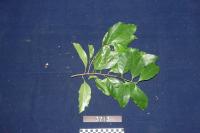
inmac
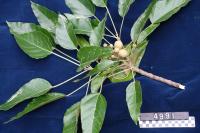
n. tree to 10 m, dbh 1 m (collection: Michael J. Balick #4991)
Example: The young trees are a good source of lumber as they are straight and can be used as poles or sawn timber. This tree is also a source of firewood and is known to be easy to light and burns well. The fruits are a source of oil. Collect the ripe fruits, remove the seeds from the shell, macerate the seeds to release the white endosperm inside, place this in a pot without water and heat it. The brown-yellow oil will come out from the crushed fruits. It is good for using on the body but not edible. It is a good massage oil, or to lubricate the skin or to heal small wounds. For the latter, drop some oil on the wound once daily until the wound heals.
bookmarkinmohoc onubidou
inmouwat
inpece
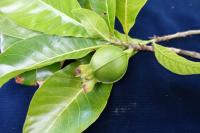
n. tree to 15 m, dbh 50 cm (collection: Michael J. Balick #4918)
Example: The fruits of this tree are collected, mixed with ground coconut, boiled in water and the oil collected. The resulting oil is used medicinally, put on the skin for any condition to promote healing. Apply once a day until the condition resolves. Also can be used to treat head lice. Add the oil mixture to the hair, massage in, keep the hair dry for a day, then wash. Use once daily for 3 days.
bookmarkinrosi
n. a clearing of bush or reeds
bookmarkintaeñtaeñ atamaeñ
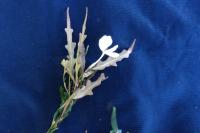
intareihok
intejed
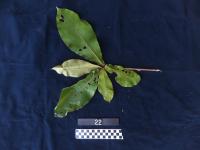
n. tree. Growing in village garden. (collection: Ashley A McGuigan #22)
Example: 1. Timber for houses, hard wood. 2. Fruits have a highly desirable nut that is edible when fresh after cracking the fruit. 3. Medicine – 5 young tips, boiled in 3 cups of water, and steam eyes when have conjunctivitis. 1x. 3. Calendar plant – When the leaves turn red and are ready to fall off from the tree – the lobsters are ready to be harvested – best time to harvest lobsters. Firm tasty meat. This was a traditional population management so that lobsters were not harvested year around but only during this season, Oct–Nov, for a month or 1.5 months.
bookmarkintesyan numarei
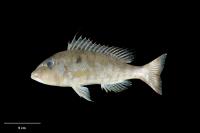
n. Longspine emperor
Example: Photo by Museum of New Zealand / Te Papa Tongarewa, License: CC BY-NC-ND 3.0 via Fishes of Australia
bookmarkintinan
n. a bed, a foundation, a plantation
bookmarkintisiancai
n. blossom (open)
bookmarkinwowityuwun
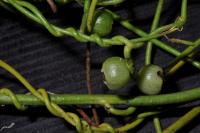
kumnyumoi ilpu hal u
n. the seven stars; the children of Kumnyumoi
bookmarkmeto
adj. ripe; also "metto"
bookmarknaceijo
n. half tide when rising
bookmarknadeni
n. the name of a prickly shrub
bookmark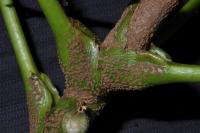
nagaihos
nahcai milmat
nahod
nahoijcei
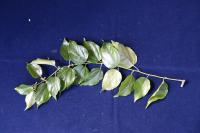
n. the name of a species of creeper
bookmarknaipumnyu
n. kind of plant, grass, or fern
bookmarknajeng
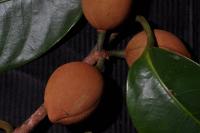
n. tree, 8-10 m tall (collection: Gregory M. Plunkett #4017)
Example: 1. Aerial roots have a natural curve that allows them to be used as a clothing hanger. The outer bark is peeled and dried all day in the sun, before the roots are used. 2. Leaves are used to help remove fish bones lodged in one’s throat. When bones are stuck in one’s throat, then you apply young leaves to the outside of the throat. Apply once and leave until the bones are removed.
bookmarknametreyeñ
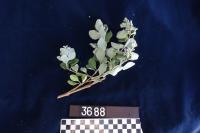
namlau
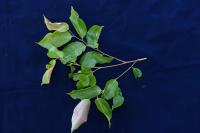
n. shrub, 2 m tall (collection: Gregory M. Plunkett #3485)
Example: 1. The larger stems of this plant can be used to build houses, for rafters. 2. It is also a good source of firewood. 3. Ancestors, before go to chief’s canal and want to talk about a complicated issue – a person would cut a branch and bring it to the sea and tap the water surface and would say what he wants, ask that he would want that issue to be solved and that others would follow his ideas and then go back to the meeting place and take stick, keep wind at his back, moving stick in all directions and then he will convince the people of his ideas. This is done by the chief’s spokesman. Helps convince the opposition. Helps keep power in hands of parent(??) chief rather than subchiefs who might have other ideas.
bookmarknamlau or nida
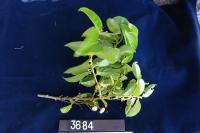
nanec
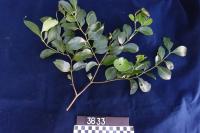
n. tree, 7 m tall (collection: Gregory M. Plunkett #3633)
Example: To cook Alocasia (wild taro), use the dry wood of this plant as firewood. The leaves of this plant are also used to line the earth oven on top of the food and on bottom of the food to insulate it from the high heat of cooking.
bookmarknapile
n. kind of taro
bookmarknapleaig
n. kind of tree
bookmarknarutu umlai
n. wind-related term; no definition provided
bookmarknasancai
n. a tree full of sap
bookmarknatimihas
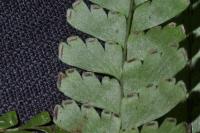
n. terrestrial fern, growing in dense rainforest. (collection: Gregory M. Plunkett #4095)
Example: 1. The name means "cranky person". If someone fastens this plant around his head as a deocrative lei, it means that this person is not happy. He does not want to talk or communicate with anybody. The use is no longer common, and now many people do not know the signficance.
bookmarknatu
n. grass; little bushes
bookmarknaupigat
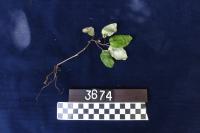
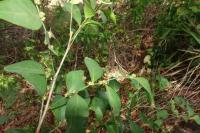
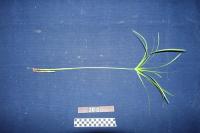
neduon
n. a bone, a foot
bookmarkneipyepei
n. kind of tree
bookmarknekei atimi
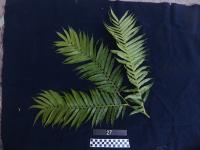
n. fern. Growing in a village back path. (collection: Ashley A McGuigan #28)
Example: 1. To cure when the anus falls out - Pound together 1 braches worth of inpalcapnesgin leaves and of both inloptiri (2-4 leaves, any age), also take the inner bark of nekeaitimi and nakhe. Put this into your hand, or another leaf and give it to the person to use it. This should be applied to the anus whenever the anus comes out. USed to use a clam shell to extract the bark but not anymore.
bookmarknekro
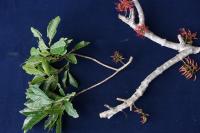
nelnjen natimi
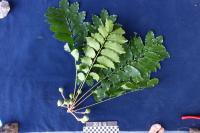
nepiloan
n. tender shoots
bookmarknepjen epjen
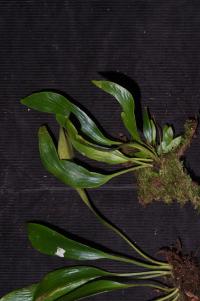
nepñatimi
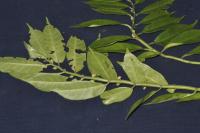
n. epiphyte on syzygium tree, growing in secondary forest along trail above river. old fruits. (collection: Gregory M. Plunkett #3660)
Example: Put several leaves of this species together to wrap food, especially the fresh water eel, and to carry plants of taro, kava, holding the leaves over one’s shoulder to carry these crops.
bookmarkneroa
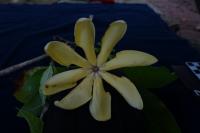
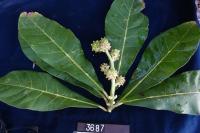
netehmu
n. kind of banana
bookmarknilec
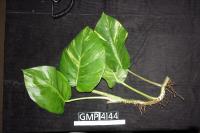
nilyat
n. the name of a tree, the leaves of which blister
bookmarknipjid acen
n. citron; lemon; lime tree
bookmarknirinat erefera ran
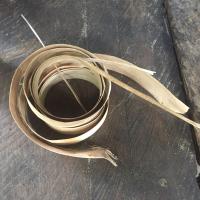
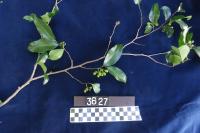
nisʧi
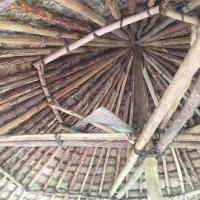
nitschatimi
n. Cordyline fruticosa L.
Example: Leaf: chew (leprosy in mouth). Whole plant: planted for several Kastom purposes; many important Kastom-bound uses as magical or ornamental plant throughout Melanesia.
bookmarknomodej wow
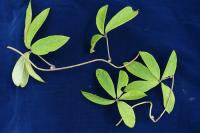
n. vine to 2 m, aerial tubers and lobed leaves. (collection: Michael J. Balick #4946)
Example: This is a root crop. It is harvested in April-June. The leaves turn yellow and indicate that the crop is ready to harvest. If planted in the old days the root would get much larger. It is a good cyclone disaster food. Grows wild now. Boil the tuber in fresh water, when it is cooked add a bit of sea water to give it a salty taste. Chew the starchy root and spit out the fiber. Another variety is like sweet potato and a person can eat the entire root without spitting out the fiber. Can mix with coconut milk as well to eat.
bookmarknosjacai
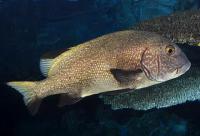
n. Two-striped sweetlips, giant sweetlips
Example: Photo by Ross D. Robertson / Shorefishes of the Neotropics, License: CC BY-SA 3.0 via Fishes of Australia
bookmark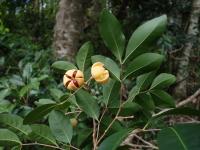
nuae
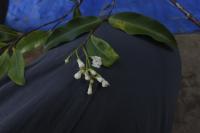
n. vine, growing in open disturbed area. flowers white. (collection: Gregory M. Plunkett #3589)
Example: To build a cyclone house, take the vine of this species to tie pieces of the house. To prepare the vine for use as rope, collect many feet of it, put it in a fire, roll it in a figure 8, wait until it softens and then use for tying. This vine is hard and
bookmarknäthoiatmas
uleme
adj. sour, applied to the water in coconuts
bookmarkwiwi
n. kind of breadfruit
bookmarkThere are currently 2431 entries, 1543 audio files, and 860 images.
All content copyright © Aneityum community. (2015)
Talking Dictionary produced by K. David Harrison, Gregory D. S. Anderson and Jeremy Fahringer. Botanical consultants: Michael J. Balick, Gregory M. Plunkett and Sean Thackurdeen. (2015-2018)
Aneityum language contributors include Kirk Keitadi, Tony Keith, Titiya Lalep, David Nasauman, Osiani Nerian, Ruben Nerian, Chris Nevehev, Romario Yaufati and others as credited within the dictionary entries. Based in part on materials from Inglis, John (1882) A Dictionary of the Aneityumese Language: In Two Parts. I. Aneityumese and English. II. English.
The Aneityum-English Talking Dictionary was made possible by award no. 1555675 from National Science Foundation for “Collaborative Research: Plant, Fungal and Linguistic Diversity of Tafea Province, Vanuatu.” This support is gratefully acknowledged.
Any opinions, findings, and conclusions or recommendations expressed in this material are those of the author(s) and do not necessarily reflect the views of the National Science Foundation.
All rights reserved. Do not distribute or reproduce without permission.
how to cite:
K. David Harrison. 2015.
Aneityum Talking Dictionary.
Swarthmore College.
http://www.talkingdictionary.org/aneityum
Interface and database design under the direction of Jeremy Fahringer and Swarthmore College ITS.
Supported by