
An example search has returned 100 entries
-ki
affix in this direction; here; this
bookmarkaheijid
v.n. go past
bookmarkahtowan
v. to weed
bookmarkarijai
v.n. to go ashore, to go from sea, to arise or overflow, as sea over land.
bookmarkehla
adj. unripe; also "ehlai"
bookmarkehnat aiek
v.n. go before
bookmarkEt elwa intisiaicai
phr. the flowers are come out.
bookmarkinceimohos
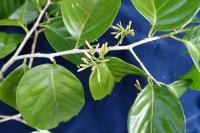
incipiñti
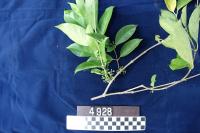
incopau
n. a coconut with a sweet husk
bookmarkinlahlah
n. daylight
bookmarkinlobot
n. croton plant
bookmarkinmoijeuv an nofomot
inp̃al cap̃ nesgin
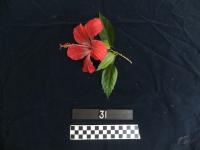
n. shrub. Found in the village, Unames. (collection: Ashley A McGuigan #31)
Example: 1. To cure when the anus falls out - Pound together 1 braches worth of inpalcapnesgin leaves and of both inloptiri (2-4 leaves, any age) , also take the inner bark of nekeaitimi and nakhe. Put this into your hand, or another leaf and give it to the person to use it. This should be applied to the anus whenever the anus comes out. USed to use a clam shell to extract the bark but not anymore.
bookmarkintaig apig
n. kind of taro
bookmarkintal eref nein
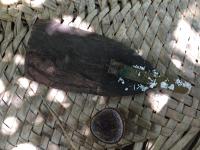
intapin
n. a hedge; a shelter
bookmarkintel e cha
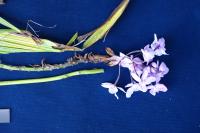
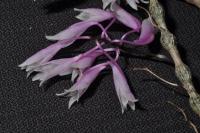
n. terrestrial orchid, growing in open (collection: Gregory M. Plunkett #3523)
Example: This is a "message plant." If a person puts the flower behind their ear and then stares out at you, or tosses the flower to you, then say yes and follow them, for example, to drink kava, or to go swimming. Or a man invites a woman to go somewhere with him. Alternatively, you can leave the flower on a table and this is also a message to go with a person. Leaves also used to wrap foods. Decorate yard around the house.
bookmarkintelopse
n. kind of plant, grass, or fern
bookmarkinyapwit
n. kind of tree
bookmarkirai ohatag
n. celestial
bookmarkjupki
n. the afternoon; also "jupjupki"
bookmarkkaleteug
n. kind of tree
bookmarkkuava atamañ
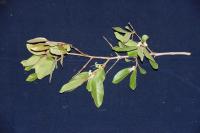
lelohos
n. a garden of bananas
bookmarkmac
n. cup (mug)
bookmarkmafure mafutoga
n. an astronomy term; no definition given
bookmarknahed u paralelcei
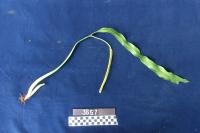
nahojcei
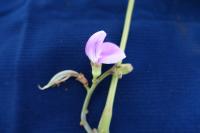
nahrin
n. half-tide when ebbing
bookmarknamop
n. kind of tree
bookmarknamumuatamag
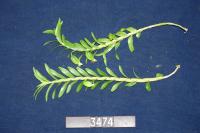
n. epiphyte on fallen tree, growing in disturbed forest. Fruit. (collection: Gregory M. Plunkett #3474)
Example: When children feel weak, this is a good medicine for them. Squeeze the leaves and give the child (3-5 years of age) one tea spoon of the juice and it is said to make them strong again.
bookmark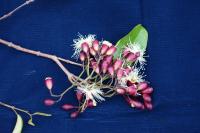
nam̃am̃a
napau emilmat
n. kind of taro
bookmarknapuig
n. a reed frame for supporting the tendrils of yams
bookmarknarayag
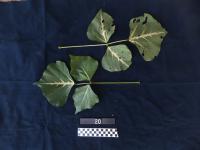
n. tree. Growing in village garden. (collection: Ashley A McGuigan #20)
Example: 1. To cure toothache when pregnant - Take the inner bark from Intejed and boil it in a pot of seawater (about 1 liter) along with 2 leaves from each of inpounatmas, narayag, nahayag, and nelmaha. Boil until juice is visibly leaving the plants. Put this water into your mouth and hold it there for 2-3 minutes. Do this this with one cup in the morning, 1 cup in the afternoon, and 1 cup in the evening. 2. Plant used to check with fish has ciguatera, in same way as other collection – GMP #4768. Stick white – OK to eat. Stick black or brown – not good.
bookmarknarecheno
n. kind of plant, grass, or fern
bookmark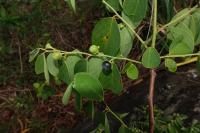
nausakrai
n. thorn
bookmarknecjop̃dak
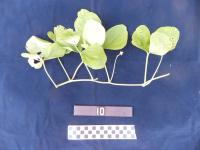
n. prostrate creeping vine along coastlines. (collection: Ashley A McGuigan #10)
Example: 1. To cure rubbush blood - Take a handfull f leaves of any age, pound it into a cupfull of water, squeeze the juice and drink when woman feels pain in head or inside the body or when the inside of the body is hot. Drink this once a day until the pain goes away. 2. To cure excessive bleeding after giving birth - boil naojapdak leaves (2-16) in seawater until leaves are soft and the water is brown. Sit on this water. 3. To close the cervix - boil 2 naojapdak leaves in water and bath in it. 4. Medicine: Smash leaves 1 handful, into cup and add a small amount of water to treat constipation—1 cup for children; 1.5 litres for adults. 5. Stomachache: same treatment, will clear bowel. 6. For leg sores, collect whole plant, put in water – a pool of water for 1 week, then use to dip sore as on leg into it for 10-15 minutes cure the sore.
bookmarknedouyatmas
neduodo
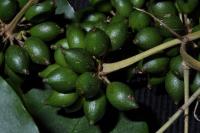
n. kind of tree
bookmarknefelelicai has
n. tares
bookmarknefesgamtan
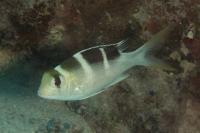
n. Humpnose big-eye bream
Example: Photo by Mark Rosenstein / iNaturalist.org, License: CC BY-SA 3.0 via Fishes of Australia
bookmarknejev
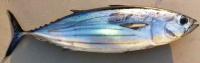
n. Skipjack tuna
Example: Photo by Krw130lm / Fishes of Australia, License: CC BY-A-SA 3.0 via Fishes of Australia
bookmark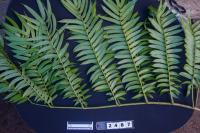
nelm̃ae
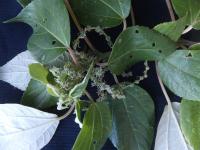
n. small tree. Found in the village, but not cultivated. (collection: Ashley A McGuigan #17)
Example: 1. Ancestors used this plant to make fish line – cut young branches, remove outer bark and tie together, put in salt water or fresh water for a week, it is now strong, dry in sun, take fibers and twist them together to make a very long fishing line. 2. Leaves are used to feed pigs. 3. Take inner bark, scrape it and put on boils. Attach with any leaf and it takes out the boil. 4. Trunk for temporary bush house.
bookmarknelnjen
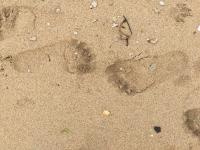
nepnou
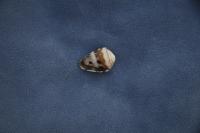
nerid u uncat
n. the tow of flax
bookmarknese
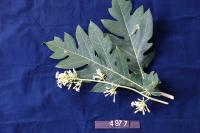
n. herb to 4 m tall, male flowers white (collection: Michael J. Balick #4977)
Example: The fruits are edible and eaten when ripe. To soften beef or octopus, or other meat that is tough, chop green fruit and put in a bowl with meat/fish and then add some water. Allow to sit for 30 minutes or if the food needs to be softer, then leave it in longer. The leaves are used to feed lobsters that are being kept in cages underwater, following their harvest. The leaves are used to cover stones on the earth oven. To treat a person with Ciguatera illness, wash many very gren fruits of papaya, the smallest ones that form at the top, and eat these to help relieve symptoms.
bookmarknesei
n. forest
bookmarknevak
n. prepared pandanus leaf
bookmarknidid
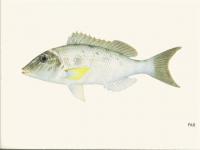
n. Ambon emperor
Example: Photo by FAO / Fishbase, License: CC BY-NC 3.0 via Fishes of Australia
bookmark
nidman tal
n. a top of taro
bookmarknijcel
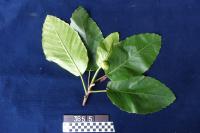
n. tree, 8-9 m tall (collection: Gregory M. Plunkett #3655)
Example: If the preferred banana leaves are not available to wrap food for cooking, then use young leaves of this species and tie taro and fish for cooking. Take 4-5 leaves and wrap the food with the leaves. Tie a rope around the food and tie them all together using any strong vine. They can then be cooked over an open fire.
bookmarknijmanyahao
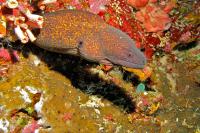
n. Yellow-Edged Moray
Example: Photo by Bernard Dupont, License: CC BY-SA 3.0 via Fishes of Australia
bookmarknilpodou
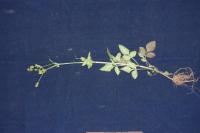
n. herb, growing at edge of garden area. Flowers yellow. (collection: Gregory M. Plunkett #3599)
Example: This is for a medicinal tea to give energy to a person who is not feeling well. Collect a handful of young stem apices and boil in 2-3 cups of water. Drink warm to help the body be strong and healthy. It is also good to treat diarrhea. When a person feels well again, stop this treatment but they can also drink this 1x daily, once before breakfast or before lunch, as a healthful tea.
bookmark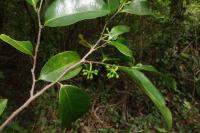
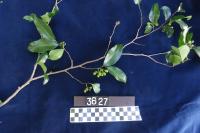
nitetan
n. a fern
bookmarknofar
n. a native pudding made with yam and coconut
bookmark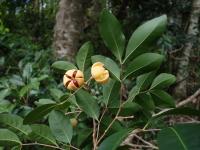
nuarin eptu
n. meadow
bookmarknucye
n. the red star, the "hand" in the constellation Orion; also "necye"
bookmarknugyaubod
n. kind of tree
bookmarknuhujcei
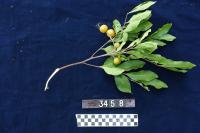
numarak kamwea
n. kind of sugarcane
bookmarknumujced
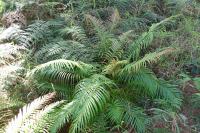
n. fern to 0. 75 m, sori brown. Growing in pine forest. (collection: Michael J. Balick #4983)
Example: Join two of the inrolled fronds together at the part where the frond is opening (the tip that is curled) such that the leaves are held together by their unfolding growing tips. Place this along the path that is frequented by a wild pig (they travel along paths) and when the pig passes these two leaves, and is chased by a hunter’s dogs, these leaves in this formation are said to sap some of the pig’s energy and thus allow the dogs to catch up with it. This was explained to Tony by another person who mentioned it as a sort of magical power possessed by this type of fern.
bookmarknuripapa
n. wind-related term; no definition provided
bookmarknyihivac
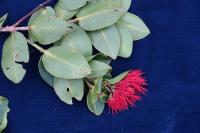
n. tree, 6 m tall (collection: Gregory M. Plunkett #3263)
Example: 1. A "calendar plant". When this flowers in the bush, and people are making their gardens in that area, it means the garden is ready to harvest. 2. Firewood, calendar, and message plant – for people who live up in the forest can see this coastal plant and when it flowers it is a good time to go fishing or to move to the coastal area for a few weeks to relax. July-August. Tide is low so everything is exposed so it is a good time to fish for there, 2 months. 3. Flowers have a nice nectar, sweet, kids drink.
bookmarktabake
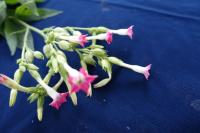
n. herb 1 m tall, flowers pink (collection: Michael J. Balick #4923)
Example: Collect the yellow leaves, the mature ones, roll it between one’s hands, squeezing it, and dry it in the sun for a day and hang it in the kitchen near the place where fires are made, and within a week it will turn black. It is ready to be smoked--roll paper around it and smoke it. Take 6-10 leaves, roll them up and squeeze them into a bucket of water mixing the juice with the water until it turns somewhat green. Use this water to wash crops such as legumes and other garden plants to kill insects that might be attacking them.
bookmark
There are currently 2431 entries, 1543 audio files, and 860 images.
All content copyright © Aneityum community. (2015)
Talking Dictionary produced by K. David Harrison, Gregory D. S. Anderson and Jeremy Fahringer. Botanical consultants: Michael J. Balick, Gregory M. Plunkett and Sean Thackurdeen. (2015-2018)
Aneityum language contributors include Kirk Keitadi, Tony Keith, Titiya Lalep, David Nasauman, Osiani Nerian, Ruben Nerian, Chris Nevehev, Romario Yaufati and others as credited within the dictionary entries. Based in part on materials from Inglis, John (1882) A Dictionary of the Aneityumese Language: In Two Parts. I. Aneityumese and English. II. English.
The Aneityum-English Talking Dictionary was made possible by award no. 1555675 from National Science Foundation for “Collaborative Research: Plant, Fungal and Linguistic Diversity of Tafea Province, Vanuatu.” This support is gratefully acknowledged.
Any opinions, findings, and conclusions or recommendations expressed in this material are those of the author(s) and do not necessarily reflect the views of the National Science Foundation.
All rights reserved. Do not distribute or reproduce without permission.
how to cite:
K. David Harrison. 2015.
Aneityum Talking Dictionary.
Swarthmore College.
http://www.talkingdictionary.org/aneityum
Interface and database design under the direction of Jeremy Fahringer and Swarthmore College ITS.
Supported by